LMS
LMS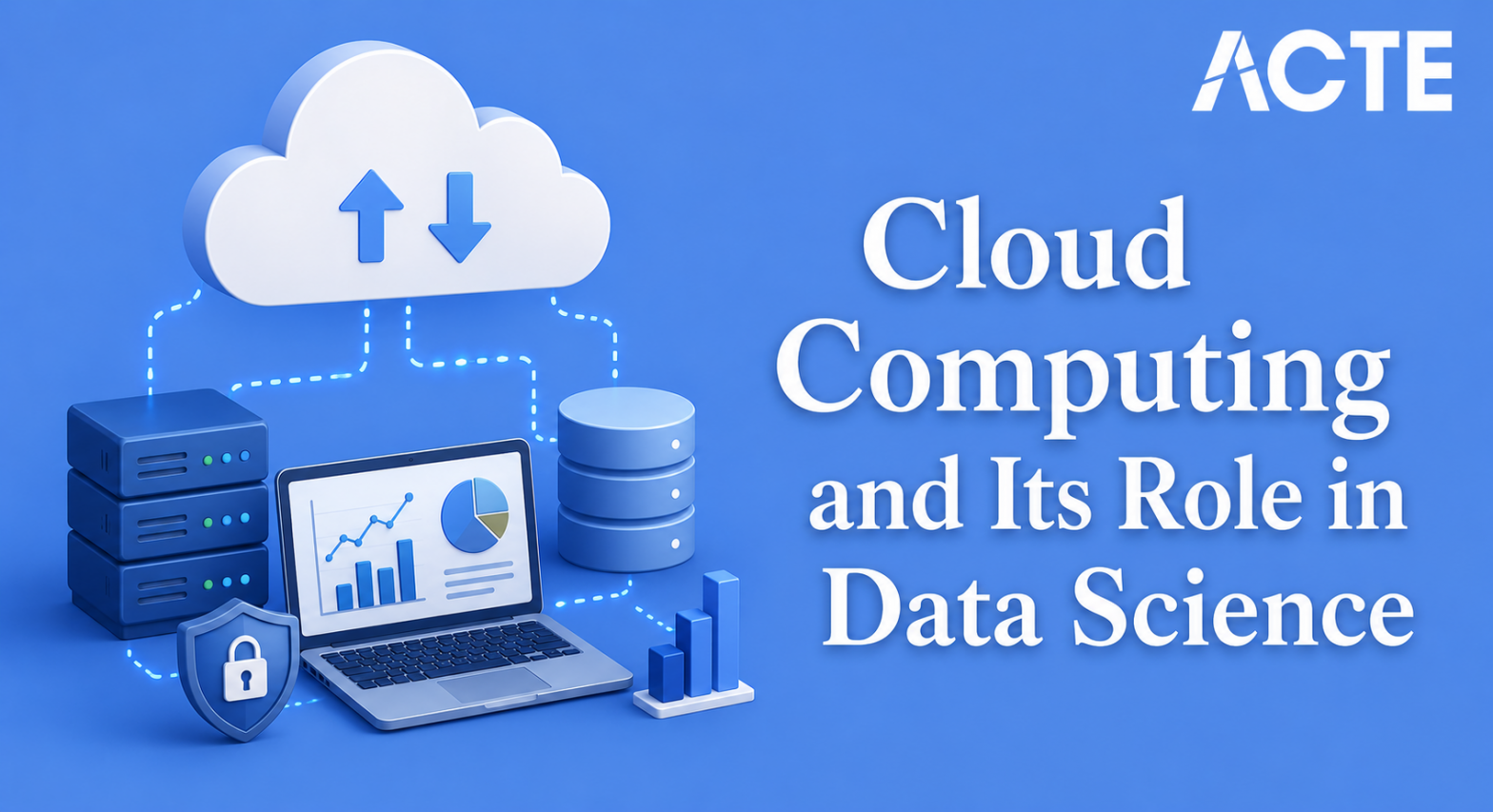
Last updated on 03rd Jun 2026| 7824
 (5.0) | 21549 Ratings
E-mail this post
(5.0) | 21549 Ratings
E-mail this post
- Introduction cloud computing and its role in data science
- Scalable Storage and Data Lakes
- Distributed Computing for Big Data
- Cloud-Based Machine Learning Platforms
- Cost Efficiency and Resource Management
- Real-Time Data Processing in the Cloud
- Collaboration and Accessibility for Teams
- Security and Compliance in Cloud Environments
- Conclusion
Introduction cloud computing and its role in data science
In this tech-world, data is everywhere from your social media activities to how much money you have spent and even how much food you’ve thrown into your compost bin! The great thing about cloud computing and its role in data science is that it allows you to take all of that raw data, and turn it, literally, into usable and logical information that will help solve many issues we have today. If you are just getting started with Data Science at this point, just learning algorithms and tools will not be enough in Data Science Training The only way to truly understand Data Science is to use the tools and algorithms, on real-world problems. This provides you with the confidence you need to be an analytical thinker and the skills required to become an industry-ready professional. Below are some great examples of beginner-friendly and industry-relevant cloud concepts that you can master, that also have real-world applications. Not only will these concepts help you understand how data science can be used in different industries, for example media, finance, health care, agriculture and customer service; they will also give you the strong foundation that you will need in order to move from being a theoretical analyst to a pragmatic analyst solving real-world problems.
Scalable Storage and Data Lakes
Scalable Storage and Data Lakes is a data science project that focuses on determining whether or not data can be stored efficiently through cloud methods. Local storage is a big problem in this day and age of digital information and there are so many ways to access massive datasets extremely rapidly. Most of this information is unstructured which makes the issue of physical storage a serious one. Scalable Storage aims to aid in solving the capacity issue by creating a method of predicting similar attributes of data automatically by analyzing storage needs and determining if it is scalable. The Data Lake system uses cloud architecture to analyze unstructured data and extract context, relationships and patterns associated with the files in Data Science Training . The system is initially trained on data containing both structured and unstructured examples so there will be a distinction. The system uses object storage to convert physical limits to virtual space along with a decision algorithm such as tiering. Once configured, the system can classify incoming data as either stored or archived by using the learned pattern. Less Physical Storage More Reliable Data Access. The project provides exposure to Cloud Architecture and Storage Concepts. The emphasis on Critical Thinking about Capacity will increase.
Distributed Computing for Big Data
- Data Collection and Cloud Sources: Distributed computing begins with collecting large amounts of diverse data. This data is gathered from cloud servers, remote databases, and IoT devices. It includes text, images, and sensor logs. This raw data is the foundation for processing large datasets.
- Pattern Identification in Data Clusters: After collecting data, the next step is finding patterns in data distribution. Data scientists analyze node performance like processing speeds and memory usage trends and
. These patterns help understand how computing tasks repeat over time. - Machine Learning for Distributed Processing: Distributed frameworks are used to process future data based on cloud resources. Algorithms like MapReduce and Spark are commonly applied. These models learn relationships between data chunks and computing nodes.
- Real-World Applications in Big Data: Distributed computing is very important in business for planning big data strategies. Companies use it to decide when to scale computing resources. It also helps reduce loss caused by unexpected data surges. This improves productivity and supports better business decisions.
- Importance in Speed and System Management: Distributed computing plays a key role in predicting processing bottlenecks like server overloads and Must Have Data Science Skills For Freshers. Early resource allocation helps engineers take safety measures in advance. This reduces damage to system performance.
Ready to Pursue Your Data Analytics Certificate? View The Data Science Course Training Offered By ACTE Right Now!
Cloud-Based Machine Learning Platforms
Cloud-Based Machine Learning Platforms is a data science project that focuses on determining whether or not models can be trained faster through cloud services methods. Local hardware is a big problem in this day and age of digital information and there are so many ways to access pre-built algorithms extremely rapidly. Most of this information is computationally heavy which makes the issue of local training a serious one. Cloud Platforms aims to aid in solving the hardware issue by creating a method of predicting similar attributes of training automatically by analyzing compute needs and determining if it is feasible. The Machine Learning Platform uses cloud GPUs to analyze training data and extract context, relationships and patterns associated with the weights and key roles of a skilled data scientist in business. The platform is initially trained on data containing both parameters and epochs so there will be a distinction. The system uses auto-scaling to convert local limits to cloud power along with a decision algorithm such as automatic tuning. Once deployed, the system can classify training jobs as either complete or failed by using the learned pattern. Less Local Hardware More Efficient Model Training. The project is an excellent beginner-friendly project that provides exposure to Cloud MLOps and Machine Learning Concepts. The emphasis on Critical Thinking about Compute will increase.

Develop Your Skills with Data Data Science Course Training
Weekday / Weekend BatchesSee Batch DetailsCost Efficiency and Resource Management
- Data Collection and Usage Sources: Cost efficiency begins with collecting large amounts of cloud usage data. This data is gathered from billing dashboards and server logs. It includes compute hours, storage usage, and network traffic records. This raw data is the foundation for building accurate cost models.
- Pattern Identification in Spending Data: After collecting data, the next step is finding patterns in cloud spending. Data scientists analyze cost trends like peak usage hours and idle resource trends. These patterns help understand how cloud costs change over time. This makes future budgeting more reliable and structured.
- Machine Learning for Cost Prediction: Machine learning models are used to predict future cloud costs based on past data. Algorithms like linear regression and time series are commonly applied and Build a Career in Data Science Today. These models learn relationships between resource usage and billing.
- Real-World Applications in Business Budgets: Cost efficiency is very important in business for planning financial strategies. Companies use it to decide when to scale up or shut down resources. It also helps reduce loss caused by unexpected cloud bills. This improves productivity and supports better budget decisions.
- Importance in Profit and Resource Management: Resource management plays a key role in predicting financial risks like budget overruns. Early spending alerts help managers take safety measures in advance. This reduces damage to company profits. It makes communities better prepared for extreme financial conditions.
- Data Collection and Team Sources: Cloud collaboration begins with collecting large amounts of shared workspace data. This data is gathered from cloud notebooks, shared drives, and code repositories. It includes code scripts, analysis notes, and model versions. This raw data is the foundation for team productivity.
- Pattern Identification in Workflows: After collecting data, the next step is finding patterns in team workflows and must know about Top Data Science Skills That Drive Career Success. Data scientists analyze collaboration trends like code commits and review cycles. These patterns help understand how team members interact over time.
- Machine Learning for Access Prediction: Access algorithms are used to predict future resource needs based on team data. Models like role-based access control are commonly applied. These models learn relationships between user roles and data permissions. This helps generate more accurate and secure access forecasts.
- Real-World Applications in Remote Work: Cloud accessibility is very important in business for planning remote work strategies. Companies use it to decide when to grant access to remote teams and What Does a Data Scientist Do. It also helps reduce delay caused by geographical differences. This improves productivity and supports better team decisions.
- Importance in Security and Team Scaling: Cloud collaboration plays a key role in predicting team bottlenecks like merge conflicts. Early synchronization helps developers take safety measures in advance. This reduces damage to project timelines. It makes communities better prepared for extreme team scaling conditions.
Excited to Obtaining Your Data Analytics Certificate? View The Data Science Course Training Offered By ACTE Right Now!
Real-Time Data Processing in the Cloud
Real-Time Data Processing in the Cloud is a data science project that focuses on determining whether or not streaming data can be analyzed instantly through serverless methods. Most of this information is time-sensitive which makes the issue of delayed analysis a serious one and Why Data Science Matters & How It Powers Business Value. Real-Time Processing aims to aid in solving the latency issue by creating a method of predicting similar attributes of streams automatically by analyzing incoming data and determining if it is actionable.
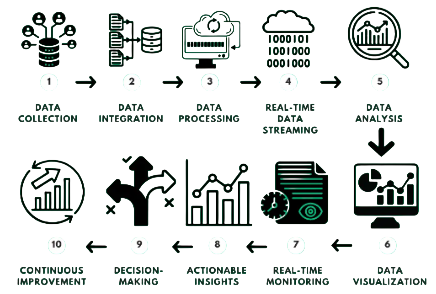
The streaming system uses cloud functions to analyze real-time data and extract context, relationships and patterns associated with the events. The system is initially trained on data containing both timestamps and values so there will be a distinction. The system uses stream processing to convert batch jobs to continuous flows along with a decision algorithm such as windowing. Once active, the system can classify incoming data as either processed or ignored by using the learned pattern. Less Processing Delay More Instantaneous Insights. The project provides exposure to Stream Analytics and Real-Time Concepts. The emphasis on Critical Thinking about Latency will increase.
Are You Considering Pursuing a Data Analytics Master’s Degree? Enroll For Data Science Expert Masters Program Training Course Today!
Collaboration and Accessibility for Teams
Set to Ace Your AWS Job Interview? Check Out Our Blog on Data Science Interview Questions & Answer
Security and Compliance in Cloud Environments
Security and Compliance in Cloud Environments is a data science project that focuses on determining whether or not cloud data is protected through encryption methods. Data breaches are a big problem in this day and age of digital information and there are so many ways to access cloud storage extremely rapidly. Most of this information is sensitive which makes the issue of cloud security a serious one in Data Science Training . Cloud Security aims to aid in solving the breach issue by creating a method of predicting similar attributes of threats automatically by analyzing access logs and determining if it is safe. The security system uses machine learning to analyze login data and extract context, relationships and patterns associated with the user IPs. The system is initially trained on data containing both normal and suspicious login examples so there will be a distinction . The system uses encryption to convert plain data to secure text along with a decision algorithm such as anomaly detection. Once deployed, the system can classify access attempts as either authorized or unauthorized by using the learned pattern. Less Data Exposure More Reliable Cloud Infrastructure. The project is also an excellent beginner-friendly project that provides exposure to Cloud Security and Machine Learning Concepts. The emphasis on Critical Thinking about Privacy will also continue to increase through the years.
Conclusion
cloud computing and its role in data science learning cloud storage, distributed processing, and cloud security show how useful it is to use data to solve real-life problems. They’re great for helping people understand how raw data is collected, processed, and turned into useful information. By doing these projects, data science beginners gain hands-on experience with cloud computing, data analysis, and solving problems using those skills in Data Science Training . Each project develops a different set of skills: some with storage, others with processing, some others with machine learning, and still others with security – all of which are extremely valuable in today’s tech-driven workplaces. Working on real-world projects is also a great way for a beginner to build a good portfolio of work that they can use to apply for jobs in data science. Completing these projects bridges the gap between theory and practice. When a learner does multiple projects, they increase their confidence in and ability to use technology. Overall, project-based learning is probably the best way for someone just getting into data science to grow as a new learner.